

Sensory Attachment Intervention (SAI)
A trauma-informed, neurodevelopmental approach to promoting emotional safety and regulation.
Sensory Attachment Intervention (SAI) is an integrative, evidence-informed approach designed to support children and adults who have experienced early adversity, attachment disruption, or significant emotional distress. It is particularly suited to individuals who struggle with regulation, sensory processing, and forming safe, trusting relationships.
SAI draws on neuroscience, sensory integration, and attachment theory to create meaningful and co-regulatory experiences that promote healing and emotional resilience.
Why SAI?
When babies and young children grow up in environments where they experience neglect, abuse, or inconsistent caregiving, their developing brains can become wired for survival rather than connection. These early patterns can shape the way they experience relationships, process sensory input, and respond to stress—often resulting in:
- Heightened states of fear or hyper-vigilance
- Extreme responses to everyday sensory input (e.g., sounds, touch, movement)
- Emotional overwhelm or dissociation
- Difficulty forming trusting, secure relationships
These behaviours are often protective strategies developed in response to unsafe environments—and they can persist into later childhood or adulthood, impacting function, learning, and relationships.
What Does SAI Involve?
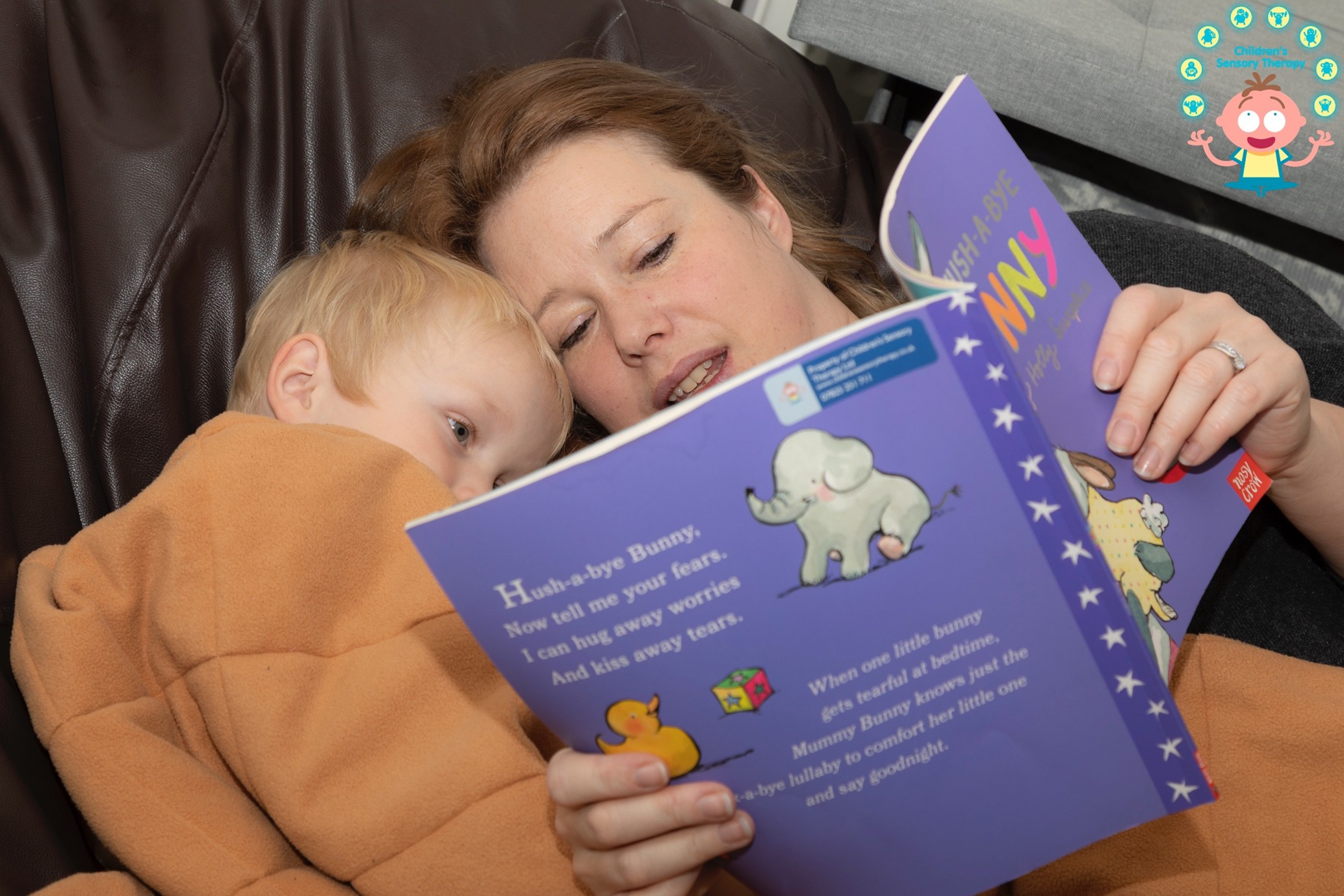
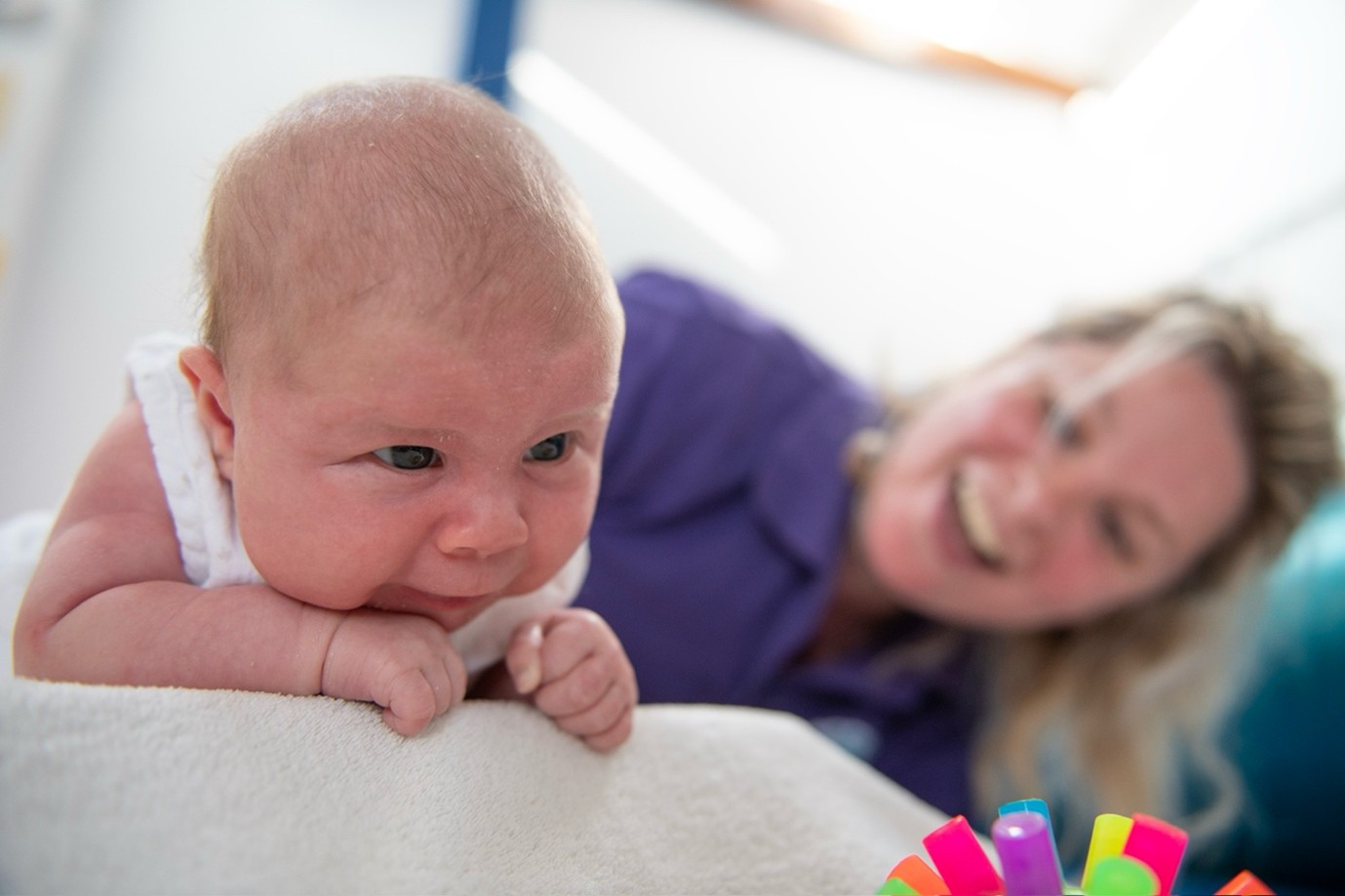
At the heart of SAI is the belief that healing happens in safe relationships. The approach focuses on creating co-regulatory experiences—shared moments where the nervous system can feel calm, safe, and connected. This is done through:
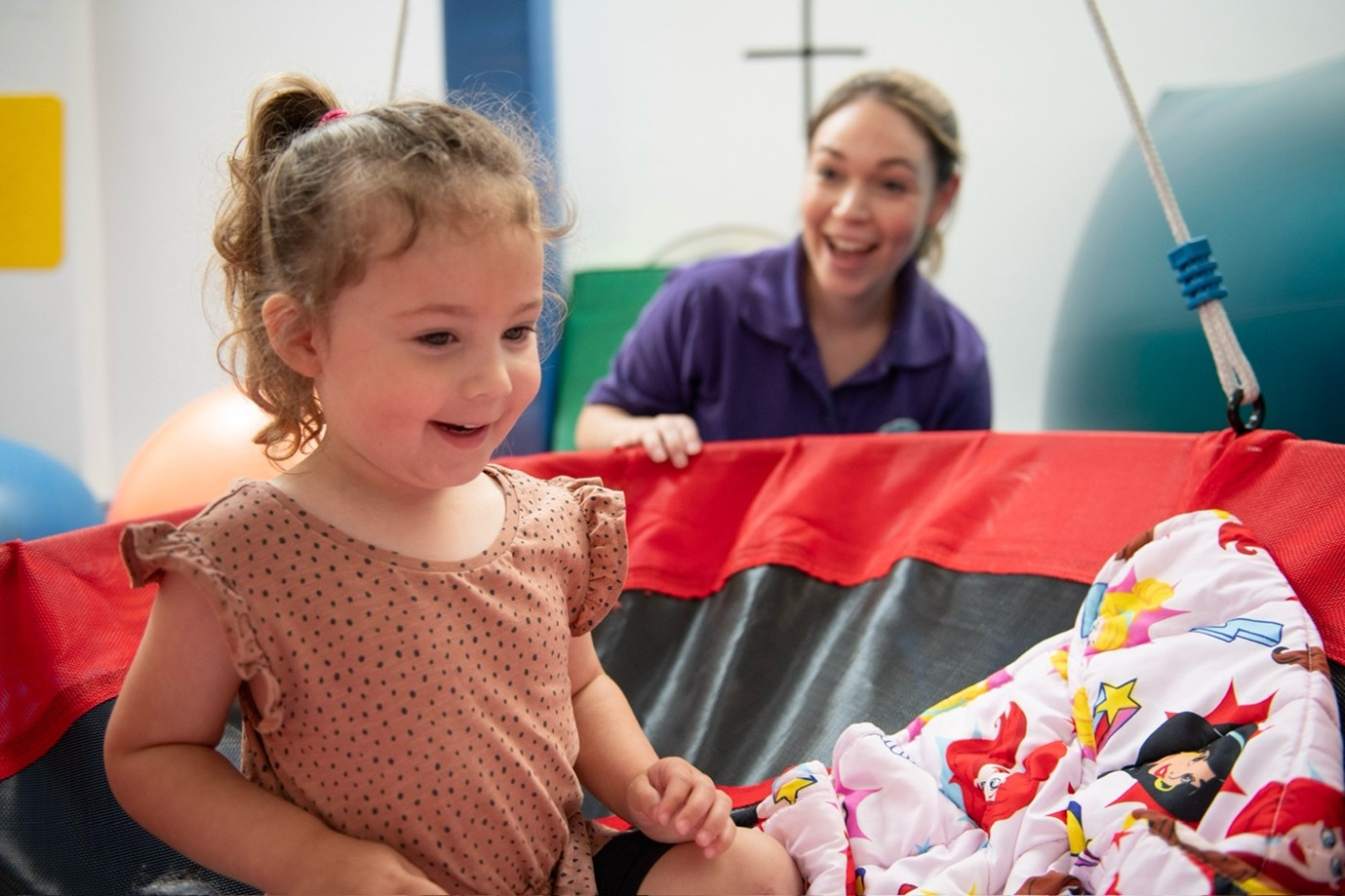
- Sensory strategies that help balance and regulate the nervous system (e.g. calming or alerting touch, movement, sound)
- Attachment-based activities that promote bonding, attunement, and trust
- Engaging the body senses in a ‘just right’ way to enable the child or adult to feel grounded and present
- Parent/carer involvement to support safe, consistent interactions at home
By targeting the lower brain areas first—those responsible for survival responses—SAI helps individuals shift from a fear-based state (freeze, fight, flight) into one that is more open to connection, learning, and play.
The Science Behind SAI
SAI is grounded in key neurodevelopmental principles:
- Use-dependent learning (Perry, 2001): Repeated, patterned, regulating experiences can reshape brain pathways, building new capacities for regulation and connection.
- Regulation before cognition (Schore, 1994): We must first calm the body before expecting emotional or cognitive reasoning.
- Co-regulation precedes self-regulation: Children learn to regulate their emotions and stress responses by first experiencing calm, attuned care from safe adults.
In practice, this might mean adapting daily routines to support regulation. Something as simple as how a child is washed or dressed can be either calming or overstimulating. SAI practitioners look at these everyday moments and work with families to find patterns that soothe rather than stress.
Working with Families
A unique and essential aspect of SAI is its emphasis on the relational environment. We don’t just look at the child in isolation—we consider the sensory and attachment profiles of their parents or carers too. This helps us understand how relationships can either escalate or soothe stress responses.
Parents and carers are seen as co-therapists and are actively involved in the process. We support them to understand their own responses and develop confident, consistent, and connected ways of relating to their child.